
Osteopathy at PRANA
Supporting Structure, Movement & Function Through Integrated Wellness
The body is an interconnected system.
The way you move, breathe, sit, stand, and respond to physical demands can influence how different parts of the body function together.
Osteopathy is a hands-on approach that focuses on the relationship between the body’s structure and its function, with particular attention to the muscles, joints, connective tissues, spine, and patterns of movement.
At PRANA, Osteopathy forms part of our Integrated Wellness approach. Each individual is assessed as a whole, with attention to their symptoms, physical patterns, lifestyle, previous injuries, and overall health.
Rather than focusing only on where discomfort is felt, we look at how the body is moving and functioning as a connected system.
What Is Osteopathy?
Osteopathy is a hands-on therapeutic approach that works with the body’s musculoskeletal and connective tissue systems.
An osteopathic assessment may consider:
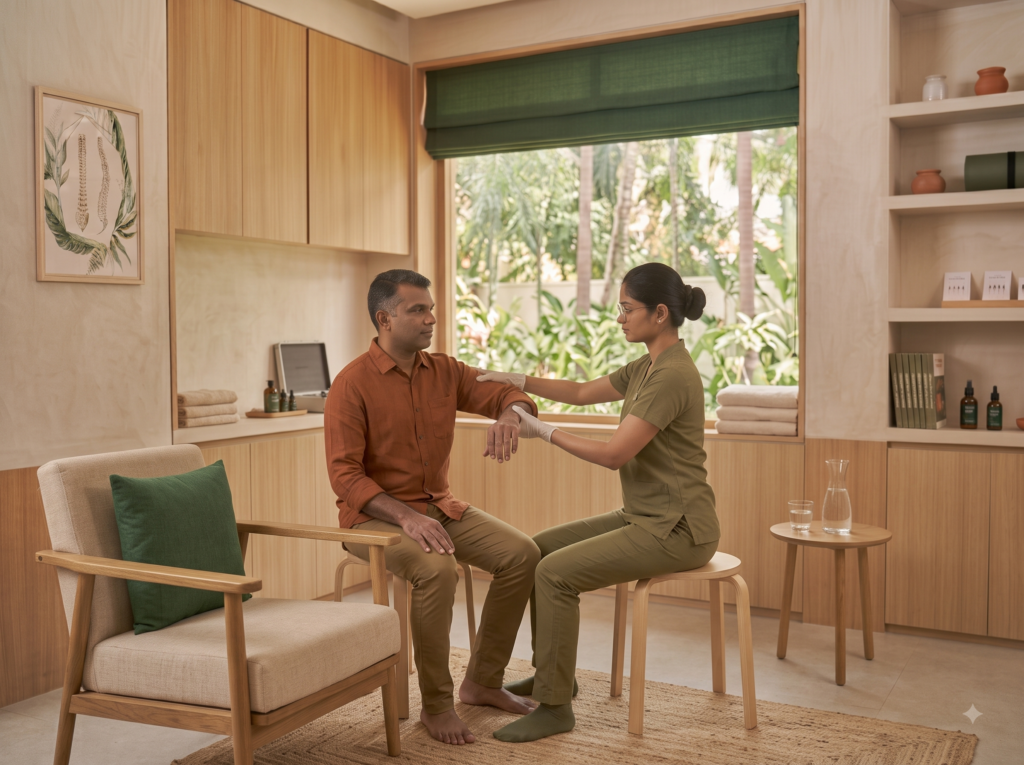
Joint mobility
Muscle and soft-tissue tension
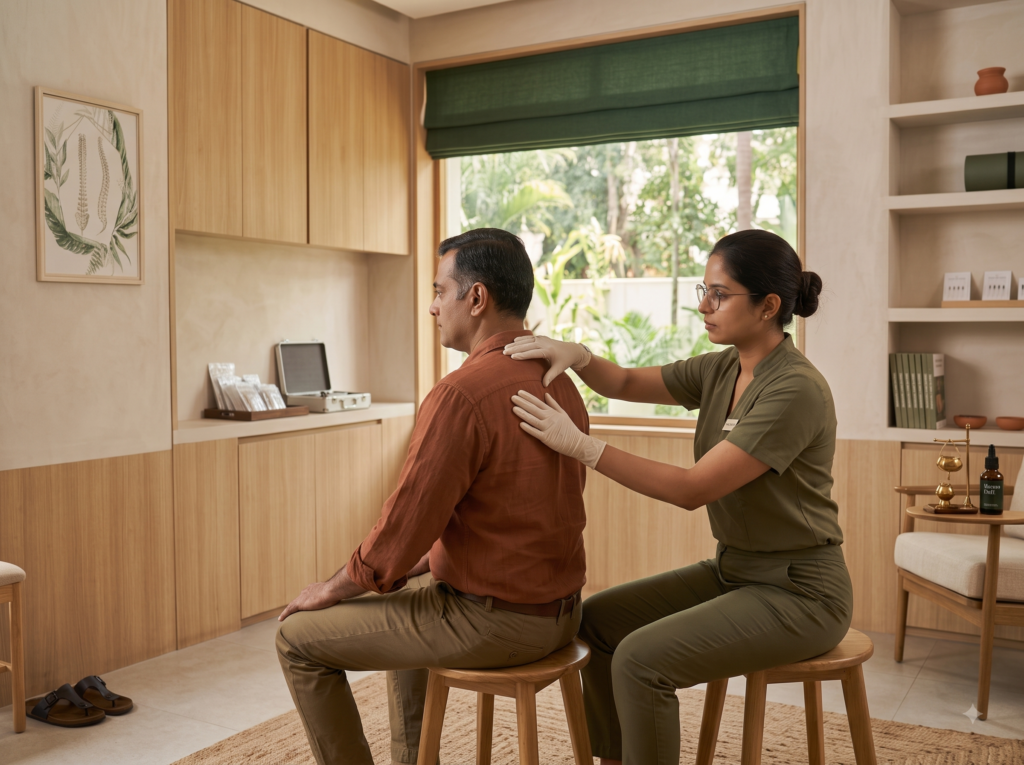
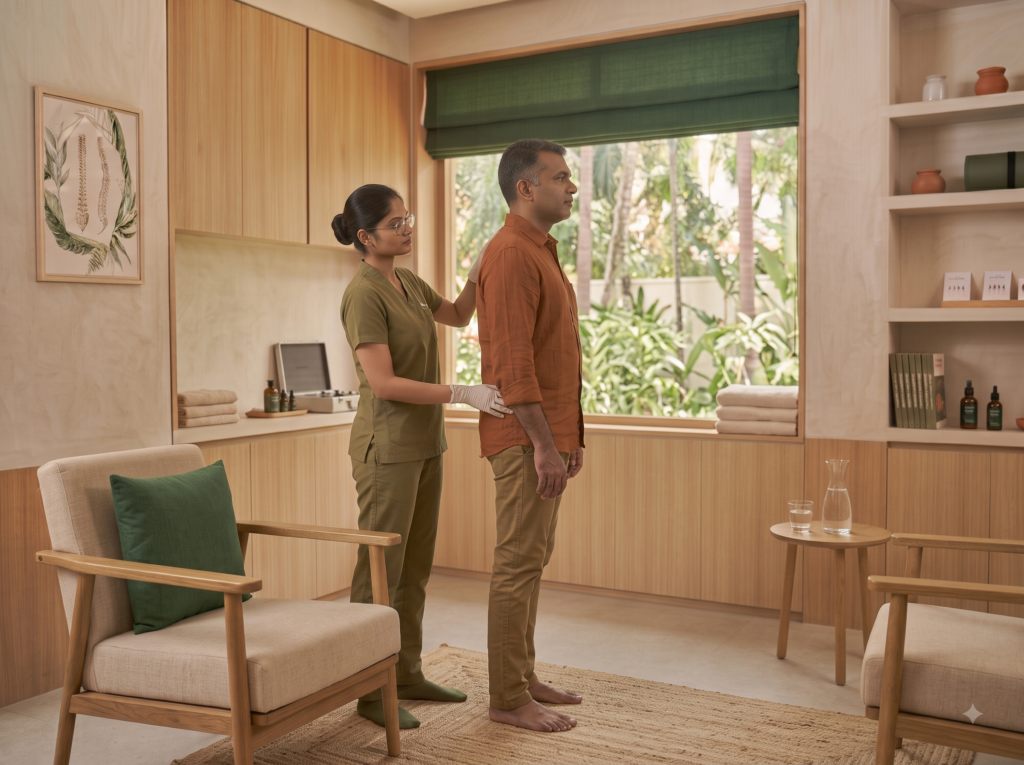
Postural patterns
Spinal and pelvic mechanics
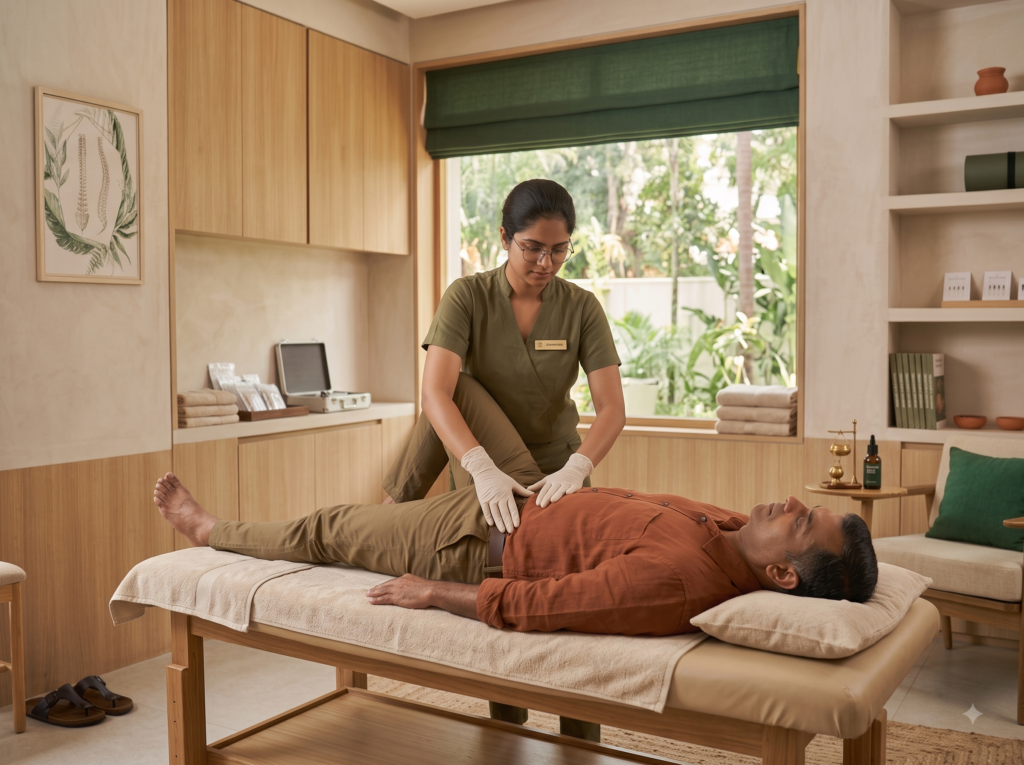
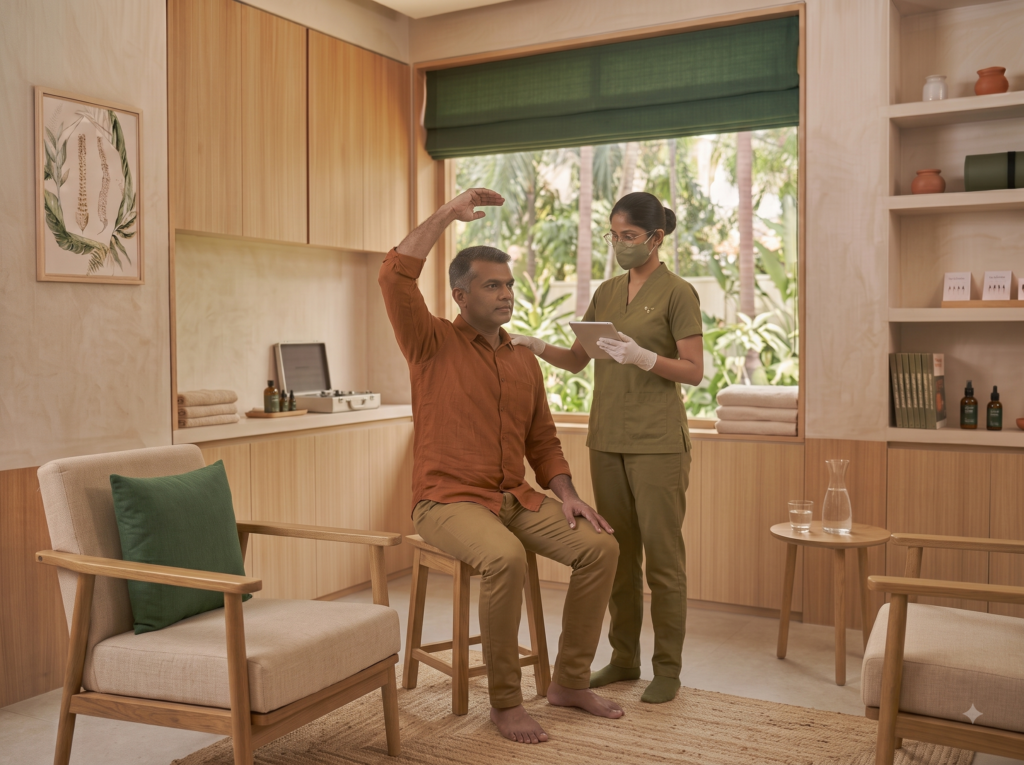
Movement restrictions
Previous injuries
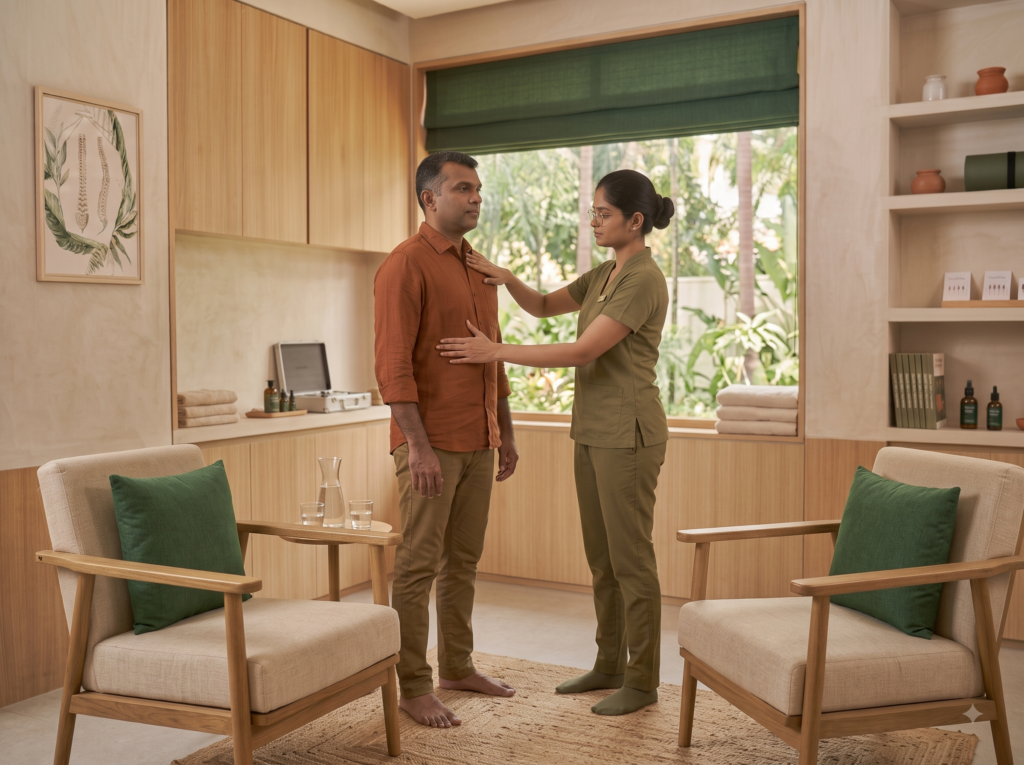
Breathing and functional movement patterns
Treatment techniques are selected according to the individual’s presentation and may include gentle manual techniques, joint mobilisation, soft-tissue work, and movement-based approaches.
The objective is to support mobility, function, comfort, and better coordination within the musculoskeletal system.
How Does Osteopathy Work?
The body does not function as a collection of separate parts.
A restriction in one area can influence movement and loading elsewhere. Similarly, repetitive postures, physical strain, previous injuries, or changes in movement patterns may contribute to discomfort and reduced function.
Osteopathic care focuses on identifying these relationships through assessment and hands-on examination.
At PRANA, treatment is therefore not based on a single technique or fixed protocol.
The approach is adapted to the individual.
What Happens During an Osteopathic Assessment?
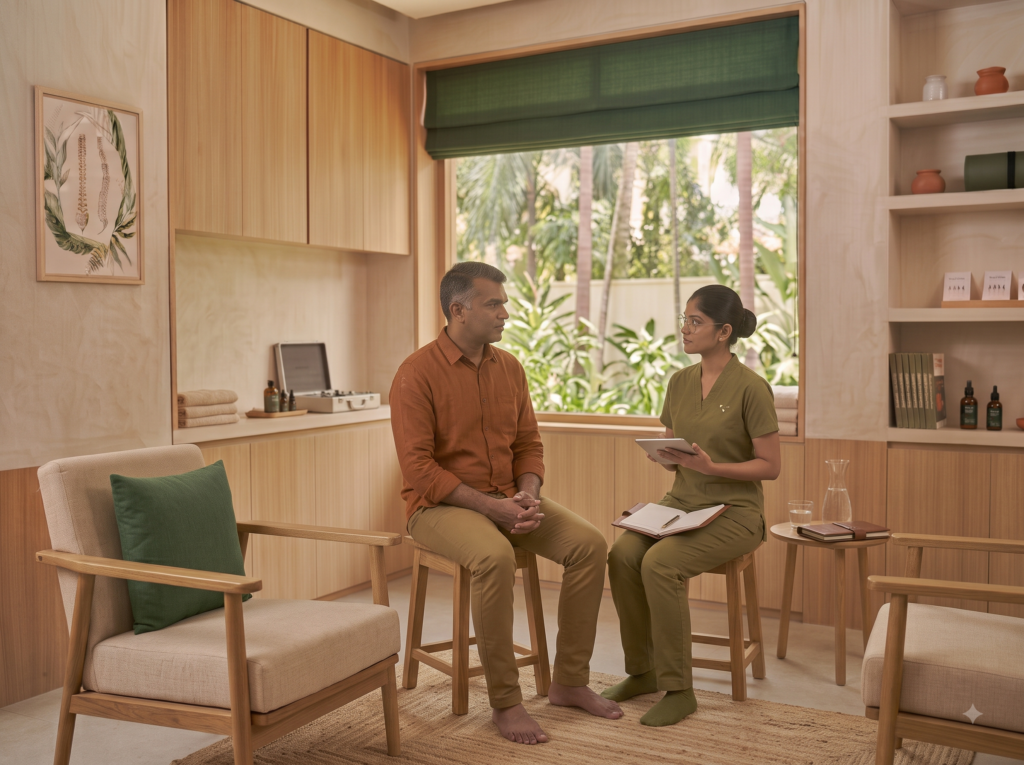
Your first consultation begins with understanding you, not just your symptoms.
The practitioner may explore:
- Your primary concern
- Previous injuries or surgeries
- Medical and treatment history
- Daily activities and physical demands
- Posture and movement patterns
- Joint mobility
- Muscle and soft-tissue tension
- Breathing and functional patterns
- Relevant medical reports or investigations
A physical assessment is then used to understand how different parts of the body are functioning together.
This helps determine whether osteopathic care is appropriate and guides the development of an individualised treatment plan.
What Happens During Osteopathic Treatment?
Osteopathic treatment is hands-on and is adapted to the individual’s condition, comfort, and treatment goals.
Depending on the assessment, treatment may involve:
- Gentle joint mobilisation
- Soft-tissue techniques
- Myofascial techniques
- Muscle and connective tissue work
- Movement and mobility techniques
- Postural and functional guidance
The techniques used are not identical for every person.
Because the same symptom can arise from different physical patterns.
Conditions & Concerns Where Osteopathy May Be Considered
Osteopathic care may be considered as part of an individualised approach to a range of musculoskeletal and functional concerns, including:
- Back and lower-back discomfort
- Neck discomfort and stiffness
- Shoulder and joint-related concerns
- Postural imbalances
- Movement restrictions
- Sports and activity-related strains
- Muscular tension
- Certain recurring musculoskeletal complaints
- Headache and migraine-related musculoskeletal tension
- Functional movement difficulties
The suitability of osteopathic care depends on the individual’s assessment and overall health.
Where symptoms require medical investigation or specialist management, appropriate medical care should be pursued.
Osteopathy at PRANA
At PRANA, Osteopathy is not practiced as an isolated modality.
It forms part of our Integrated Wellness approach, where appropriate therapies can be coordinated according to the individual’s needs.
Osteopathy may be integrated with:
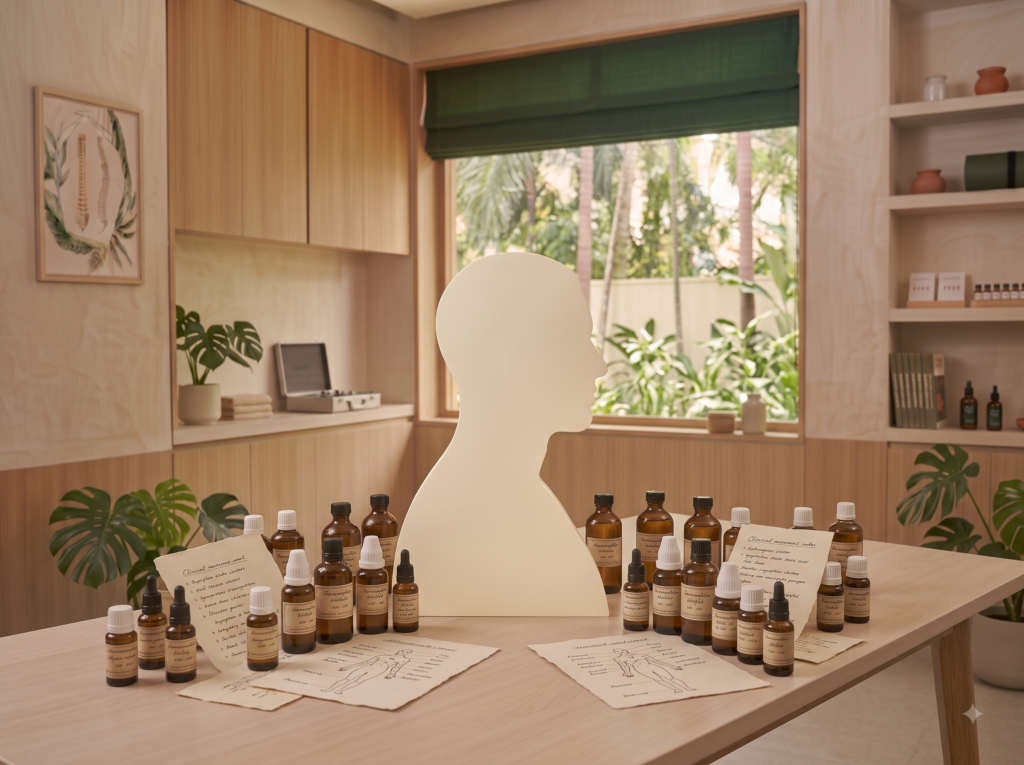


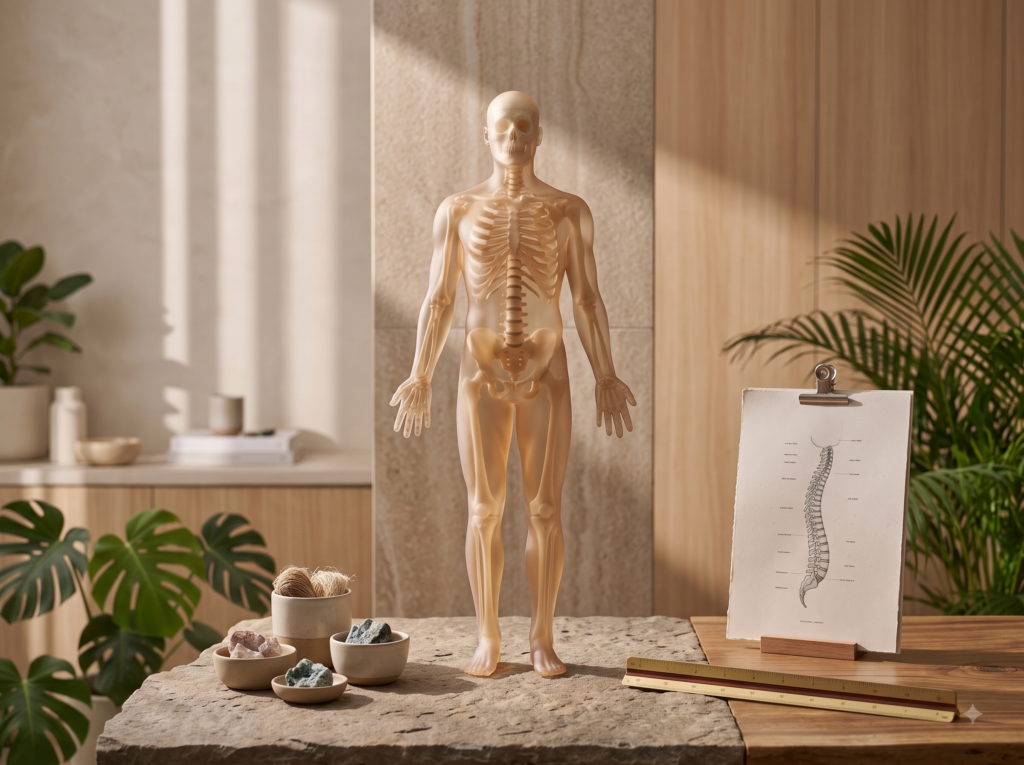
Each modality brings a different perspective to health.
The purpose of integration is not to combine therapies simply for the sake of combining them.
It is to choose the approaches that are appropriate for the individual.
Osteopathy & Chiropractic: What’s the Difference?
Osteopathy and Chiropractic both work extensively with the musculoskeletal system, but their assessment frameworks, techniques, and treatment approaches can differ.
At PRANA, the focus is not on choosing one modality universally over another.
Instead, practitioners assess the individual’s presentation and determine which approach may be appropriate for their specific needs.
In some cases, different therapeutic approaches may form part of a coordinated Integrated Wellness plan.
Who May Benefit From Osteopathic Care?
Osteopathy may be particularly relevant for individuals experiencing:
Persistent musculoskeletal discomfort
When recurring pain or stiffness affects everyday movement.
Movement restrictions
When certain movements feel limited, uncomfortable, or asymmetrical.
Postural concerns
When prolonged sitting, standing, screen use, or occupational demands affect movement patterns.
Activity-related strain
For individuals whose work, exercise, or physical activity places repeated demands on the musculoskeletal system.
Recurring muscular tension
When tension repeatedly develops in areas such as the neck, shoulders, or back.
A proper assessment is important before beginning treatment.
What Can You Expect at PRANA?
Individual Assessment
We begin by understanding your symptoms, history, lifestyle, and physical patterns.
Personalised Care
Treatment techniques are selected according to your individual presentation rather than a fixed protocol.
Functional Focus
The aim is not simply to work on the area that hurts, but to understand movement and function more broadly.
Integrated Support
Where appropriate, Osteopathy can be coordinated with other PRANA modalities as part of an Integrated Wellness plan.
Responsible Care
If your symptoms indicate the need for medical evaluation, investigation, or specialist care, appropriate medical referral is prioritised.
Frequently Asked Questions
What is osteopathy?
Osteopathy is a hands-on therapeutic approach that focuses on the relationship between the body’s structure, movement, and function, particularly the musculoskeletal and connective tissue systems.
Is osteopathic treatment painful?
Most techniques are adapted to the individual’s comfort and condition. Some techniques may create mild pressure, stretching, or temporary tenderness, but treatment should be appropriately tailored to the individual.
How does an osteopathic consultation work?
The practitioner first discusses your symptoms, health history, lifestyle, previous injuries, and physical demands. This is followed by a physical assessment of movement, posture, joint mobility, and relevant musculoskeletal patterns.
How many osteopathy sessions will I need?
There is no standard number of sessions. The frequency of care depends on your individual concern, treatment goals, response to treatment, and overall care plan. Your practitioner can discuss this after assessment.
Can osteopathy be combined with other therapies?
Yes. At PRANA, Osteopathy may be integrated with Homoeopathy, Yoga Therapy, Acupuncture, Nutrition & Dietetics, Chiropractic, and Therapeutic Ayurveda, where appropriate.
Is osteopathy suitable for everyone?
Not necessarily. An assessment is important before treatment. Certain symptoms or medical conditions may require further investigation, conventional medical care, or referral to an appropriate specialist.
Should I continue my existing medical treatment?
Yes. Do not stop or modify prescribed medication or medical treatment without consulting your treating doctor. Osteopathy may be used as complementary care where appropriate and can be coordinated with conventional medical treatment.